
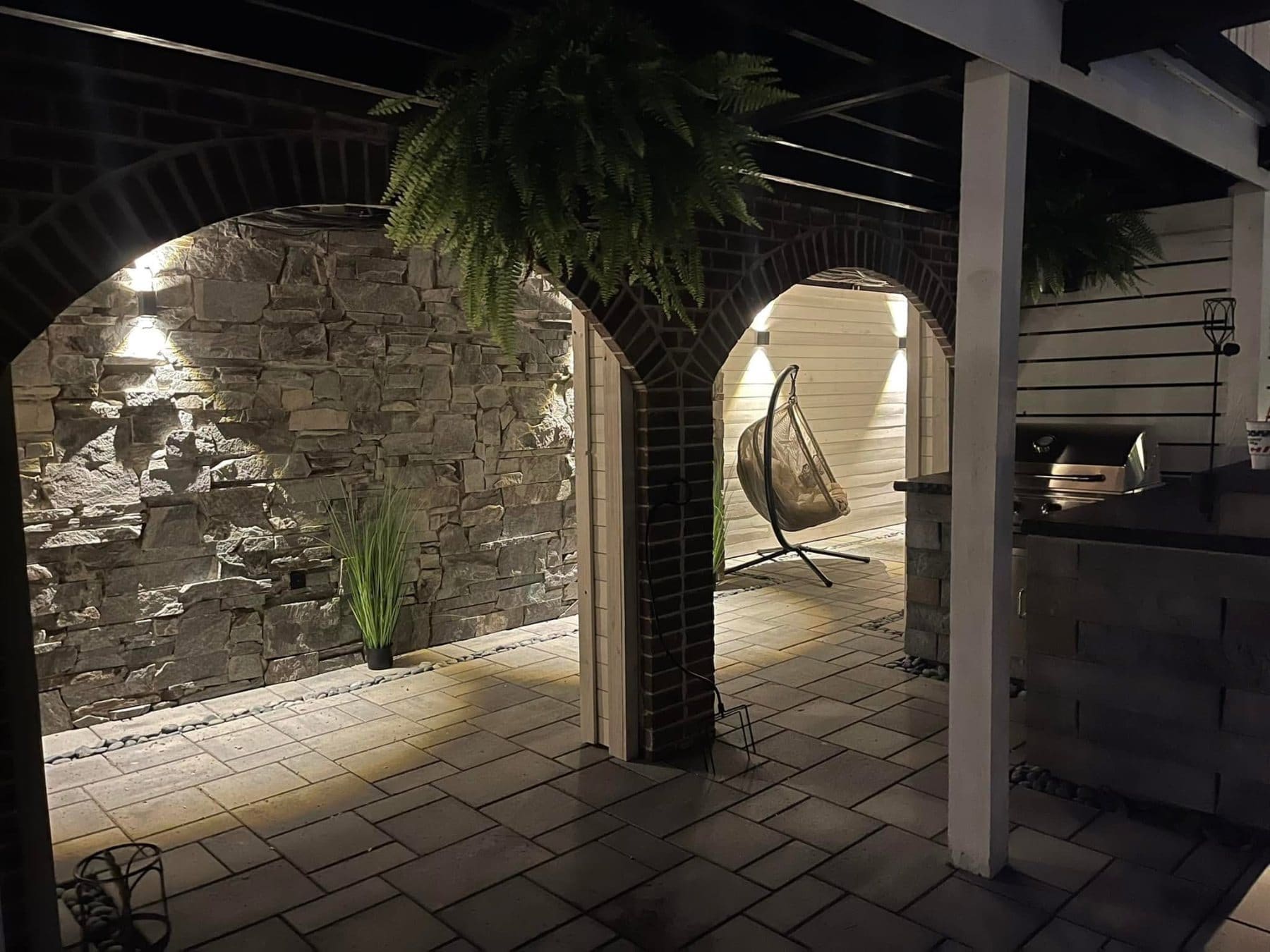
5 Signs It's Time to Replace Your Old Concrete Patio with Pavers
If you're wondering when to replace concrete patio with pavers, the honest answer is: it depends on what you're seeing in your yard right now. Your concrete patio has probably served you well for years, but even the best-maintained slabs show their age eventually. Here in Moncks Corner, our climate—with its humid summers and occasional freeze-thaw cycles—can speed up concrete deterioration. The good news? Pavers offer a durable, attractive alternative that can transform your outdoor space and last for decades with proper care.
Before calling a paver patio contractor in Moncks Corner, SC, take a closer look at your existing concrete. Below are five clear signs that it's time to make the switch.
1. Visible Cracks and Spalling
Cracks aren't just cosmetic problems—they're often a sign that your concrete is breaking down. Small hairline cracks can grow into larger fissures over time, especially when water seeps in and freezes during our occasional cold snaps. Spalling (when the surface flakes or chips away) is another red flag that suggests structural issues underneath.
Pavers sidestep this problem entirely. Each paver is an individual unit, so if one gets damaged, you simply replace that single paver rather than dealing with widespread concrete repairs. This modularity also makes it easier to adjust your patio layout in the future if your needs change.
2. Uneven Settling and Tripping Hazards
Over time, concrete can settle unevenly due to soil movement or poor initial installation. Those bumps and dips aren't just annoying—they're safety concerns, especially for kids, elderly family members, or anyone navigating your patio with their hands full.
Paver patios can be installed with a proper base that minimizes settling. Plus, if minor adjustments are ever needed, individual pavers can be releveled without tearing up the entire surface. It's one of the practical advantages homeowners in Moncks Corner appreciate most.
3. Stubborn Stains and Discoloration
Concrete is porous, so it absorbs everything—oil stains from grills, rust marks, algae growth from our humid climate, and set-in dirt. Even after power washing, these stains often return or leave permanent marks. If your patio looks dingy no matter how hard you scrub, you're not alone.
Pavers come in a wide range of colors and finishes, many of which hide stains better than concrete. When pavers do stain, you can often clean individual units or swap them out for a fresh look without affecting the rest of your patio.
4. Persistent Moisture and Drainage Issues
Does water pool on your concrete after rain? Does your patio feel constantly damp or slippery? Poor drainage accelerates concrete breakdown and creates an environment where moss and algae thrive. Concrete also traps moisture underneath, which can lead to frost heave in winter.
Paver patios are installed over a compacted gravel or sand base that allows water to drain through. This natural drainage system keeps your patio dry, extends the life of your installation, and prevents those slippery, moss-covered surfaces that are common in humid South Carolina.
5. High Maintenance Becoming a Burden
Concrete requires sealing every few years to maintain its appearance and protect against the elements. Then there's the pressure washing, crack filling, and repair work that adds up. If you're spending more time and energy maintaining your patio than enjoying it, that's a sign it might be time for a change.
While pavers do need some basic care—occasional sweeping and the rare pressure wash—they don't require the same level of ongoing maintenance. Many homeowners find that switching to pavers means less work and more time relaxing in their outdoor space.
Frequently Asked Questions
A: In some cases, yes, but it's not ideal. Pavers typically perform best when installed over a properly prepared sand and gravel base. Our team can assess your specific situation and recommend the best approach for your Moncks Corner home.
A: With proper installation and basic maintenance, paver patios can last 25 years or more. Some homeowners enjoy theirs for 30+ years before considering replacement, making them a solid long-term investment.
A: Initial costs vary based on materials and design choices, but many homeowners view pavers as a better value over time due to their durability, lower maintenance, and aesthetic appeal.
A: Clear your patio of furniture and loose items. Make note of any drainage issues, problem areas, or specific design ideas you'd like to discuss. Having your yard accessible helps the contractor assess your space accurately.
Ready to transform your outdoor space? If you're seeing any of these signs in your Moncks Corner yard, it might be time to explore paver patio options. Contact Palmetto Premier today for a consultation—we'd love to help you create a patio that's as beautiful as it is durable.